DID YOU KNOW THAT HAY FEVER IS A COMMON ALLERGIC CONDITION THAT AFFECTS UP TO ONE IN FIVE PEOPLE AT SOME POINT IN THEIR LIFE?

Overview

Allergic rhinitis normally known as hay fever is a group of symptoms affecting the nose. Unfavorably susceptible rhinitis is a hypersensitive response to airborne allergens, similar to occasional grass or ragweed dust or all year allergens like dust and animal dander.  Hay fever shares a considerable lot of indistinguishable manifestations from a common cold, however isn’t brought about by an infection or microscopic organisms. Rather, it is brought about by your immune system responding to allergens you breathe into your body.

Hay fever side effects regularly start when the dust check is more than 50. The dust consider is typically given piece of the climate estimate amid the spring and summer months.

Hypersensitive rhinitis takes two distinct structures:

1.         Seasonal: Symptoms of occasional unfavorably susceptible rhinitis can happen in spring, summer and late-summer. They are normally brought about by unfavorably susceptible affectability to airborne shape spores or to dusts from grass, trees and weeds.

2.         Perennial: People with perpetual hypersensitive rhinitis experience side effects all year. It is for the most part brought about by residue vermin, pet hair or dander, cockroaches or form. Fundamental or shrouded nourishment hypersensitivities infrequently cause perpetual nasal side effects.

HAY FEVER TRIGGERS

1.         Outdoor allergens, for example, dusts from grass, trees and weeds

2.         Indoor allergens, for example, pet hair or dander, dust parasites and shape

3.         Irritants, for example, tobacco smoke, scent and diesel fumes

ALLERGIC REACTION

When you have an unfavorably susceptible response, your body overcompensates to something it sees as a risk. In hay fever, the allergen (the substance you’re hypersensitive to) is dust. Your immune system (the body’s common resistance) reacts as though it were being attacked by an infection.

Your immune system will discharge various synthetic substances intended to avert the spread of what it wrongly sees as a disease. These chemicals cause the side effects of the allergic response, for example, watering eyes and a runny nose.

SYMPTOMS

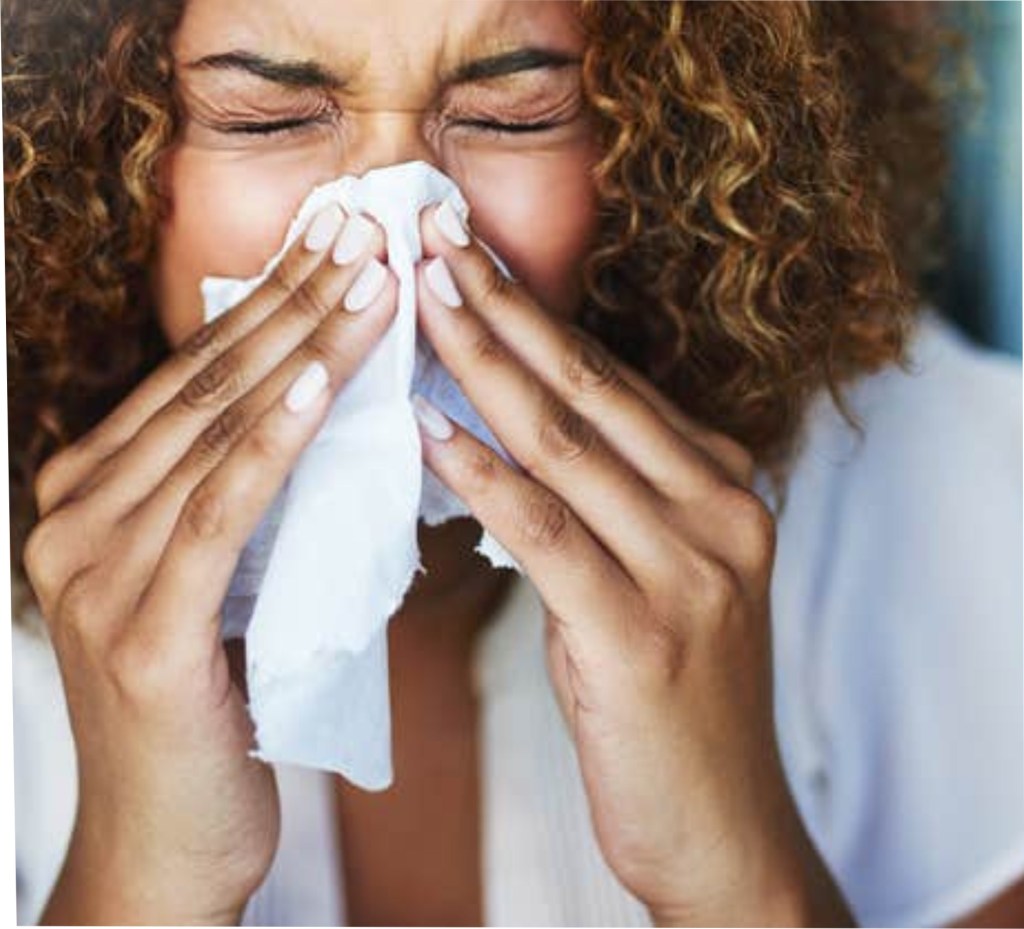
Individuals with allergic rhinitis for the most part experience symptoms in the wake of taking in a sensitivity causing substance, for example, dust or residue. In the fall, a typical allergen is ragweed or other weed dusts or open air form. In the spring, the most well-known triggers are grass and tree dust. At the point when a touchy individual breathes in an allergen, the body’s immune system may respond with the accompanying indications, recorded arranged by recurrence:

1.         Stuffy nose because of blockage or clog

2.         Irritated, red or watery eyes (unfavorably susceptible conjunctivitis)

3.         An irritated throat, mouth, nose and ears

4.         Puffy, swollen eyelids

5.         Sneezing

6.         Cough, brought about by postnasal drip

Symptoms also may be triggered by common irritants such as:

1.         Cigarette smoke

2.         Strong odors, such as perfume, or hair spray and fumes

3.         Cosmetics

4.         Laundry detergents

5.         Cleaning solutions, pool chlorine, car exhaust and other air pollutants (i.e., ozone)

Allergic rhinitis can be associated with:

1.         Decreased concentration and focus

2.         Limited activities

3.         Decreased decision-making capacity

4.         Impaired hand-eye coordination

5.         Problems remembering things

6.         Irritability

7.         Sleep disorders

8.         The loss of sense of smell (anosmia)

9.         Facial pain (caused by blocked sinuses)

10.       Headache

11.       Tiredness and fatigue

ALLERGY TESTING

Your GP may allude you to an immunologist for a sensitivity test on the off chance that you have roughage fever side effects lasting through the year (called persevering allergic  rhinitis), or indications that aren’t reacting to treatment. Different substances could be causing your sensitivity, for example, house dust bugs, creatures or certain foods.

Skin prick test

During a skin prick test, an immunologist will put the dust allergen on your arm and prick the outside of your skin with a needle. This will introduce the allergen with your skin’s immune system (mast cells) and, in case you’re adversely affected by it, you ought to have a response on the skin.

On the off chance that your skin begins to go red around where it was pricked, swells up or winds up irritated, this could be an unfavorably susceptible response and would affirm that you have hay fever.

Blood test

A sample of blood will be taken from a vein in your arm and tried for the nearness of the Immunoglobulin E (IgE) antibody.

On the off chance that you have roughage fever, your body creates this immune response when it comes into contact with dust. On the off chance that your blood tests positive for IgE, this may affirm that you have hay fever.

MANAGEMENT AND TREATMENT

Avoidance

The primary methodology in overseeing occasional or perpetual types of feed hay ought to be to maintain a strategic distance from the allergens that trigger indications.

Open Air Presentation

1.         Avoid utilizing window fans that can draw dusts and shape into the house.

2.         Don’t hang attire outside to dry; dust may stick to towels and sheets.

3.         Try not to rub your eyes; doing as such will bother them and could aggravate your side effects.

4.         Wear glasses or shades when outside to limit the measure of dust getting at you.

5.         Stay inside however much as could be expected when dust checks are at their pinnacle, normally amid the midmorning and early night , and when wind is blowing dusts around.

6.         Wear a dust veil when cutting the grass, raking leaves or cultivating, and take suitable prescription already.

Indoor Presentation

1.         Reduce presentation to clean parasites, particularly in the room. Use “bug confirmation” covers for pads, sofas and duvets, and sleeping cushions and box springs. Wash your bedding every now and again, utilizing heated water

2.         Keep windows shut, and use air conditioning in your vehicle and home. Make a point to keep your air conditioning unit clean.

3.         Clean floors with a moist cloth or mop, as opposed to dry-cleaning or clearing.

4.         To limit introduction to shape, keep the stickiness in your home low and clean your restrooms, kitchen and storm cellar normally. Utilize a dehumidifier, particularly in the storm cellar and in other sodden, moist places, and vacant and clean it frequently. In the event that shape is unmistakable, clean it with mellow cleanser and a 5 percent blanch arrangement as coordinated by an allergist.

Exposure to Pets

1.         Wash your hands following petting any creatures; wash your garments in the wake of visiting companions with pets.

2.         Close the air pipes to your room on the off chance that you have constrained air or focal warming or cooling. Supplant covering with hardwood, tile, which are all simpler to keep sans dander.

3.         If you are adversely affected by a household pet, keep the animal out of your home however much as could be expected. In the event that the pet must be inside, keep it out of the room so you are not presented to creature allergens while you rest.

PRESCRIPTIONS

Numerous allergens that trigger allergic rhinitis are airborne, so you can’t generally dodge them. On the off chance that your side effects can’t be well-constrained by just maintaining a strategic distance from triggers, your allergist may suggest drugs that lessen nasal clog, wheezing, and a bothersome and runny nose.

Intranasal corticosteroids

Intranasal corticosteroids are the absolute best medication class for treating unfavorably susceptible rhinitis. They can essentially decrease nasal clog just as wheezing, itching and a runny nose.

Get some information about whether these prescriptions are proper and alright for you. These sprays are intended to maintain a strategic distance from the reactions that may happen from steroids that are taken by mouth or infusion. Take care not to splash the drug against the middle bit of the nose (the nasal septum). The most widely recognized symptoms are neighborhood bothering and nasal dying. Some more seasoned arrangements have been appeared to have some impact on youngsters’ development; information about some more up to date steroids doesn’t demonstrate an impact on development.

Antihistamines

Antihistamines are generally used to treat hypersensitive rhinitis. These meds counter the impacts of histamine, the bothering compound discharged inside your body when an allergic response happens. Albeit different synthetic concoctions are included, histamine is fundamentally in charge of causing the manifestations. Antihistamines are found in eye drops, nasal showers and, most ordinarily, oral tablets and syrup.

Antihistamines help to assuage nasal sensitivity side effects, for example,

1.         Sneezing and a itchy, runny nose

2.         Eye tingling, consuming, tearing and redness

3.         Itchy skin, hives and dermatitis

There are many antihistamines; some are accessible over the counter, while others require a remedy. Patients react to them in a wide assortment of ways.

Significant safety measures:

1.         Follow your allergist’s directions.

2.         Alcohol and tranquilizer increment the sedation symptoms of antihistamines.

3.         Do not utilize more than one antihistamine at any given moment, except if recommended.

4.         Keep these meds out of the range of children.

5.         Know how the prescription influences you before functioning with substantial hardware, driving or doing other execution concentrated errands; a few items can moderate your response time.

6.         Some antihistamines have all the earmarks of being sheltered to take during pregnancy, however there have not been sufficient examinations to decide the outright wellbeing of antihistamines in pregnancy. Once more, counsel your allergist or your obstetrician in the event that you should take antihistamines.

7.         Never take any other person’s drug.

Decongestants

Decongestants help ease the stuffiness and weight brought about by swollen nasal tissue. They don’t contain antihistamines, so they don’t cause antihistaminic symptoms. They don’t calm different manifestations of unfavorably susceptible rhinitis. Oral decongestants are accessible as solution and nonprescription prescriptions and are frequently found in blend with antihistamines or different drugs. It isn’t exceptional for patients utilizing decongestants to encounter sleep deprivation on the off chance that they take the medicine toward the evening or night. In the event that this happens, a portion decrease might be required. On occasion, men with prostate augmentation may experience urinary issues while on decongestants. Patients utilizing drugs to oversee enthusiastic or conduct issues ought to examine this with their allergist before utilizing decongestants. Patients with hypertension or coronary illness should check with their allergist before utilizing. Pregnant patients ought to likewise check with their allergist before beginning decongestants.

Nasal spray

Nonprescription saline nasal sprays will help check indications, for example, dry nasal entries or thick nasal bodily fluid. Not at all like decongestant nasal sprays, a saline nasal shower can be utilized as frequently as it is required. Some of the time an allergist may prescribe washing (douching) the nasal section. There are numerous over-the-counter (OTC) conveyance frameworks for saline flushes, including neti pots and saline wash bottles.

Leukatriene pathway inhibitors

Leukotriene pathway inhibitors (montelukast, zafirlukast and zileuton) hinder the activity of leukotriene, a substance in the body that can cause indications of unfavorably susceptible rhinitis. These medications are likewise used to treat asthma.

Immunotherapy

Immunotherapy might be suggested for individuals who don’t react well to treatment with prescriptions or who experience symptoms from drugs, who have allergen introduction that is unavoidable or who want a progressively lasting answer for their sensitivities. Immunotherapy can be viable in controlling unfavorably susceptible side effects; however it doesn’t help the manifestations created by nonallergic rhinitis.

Eye hypersensitivity arrangements and eye-drops

Eye hypersensitivity arrangements might be useful when the eyes are influenced by similar allergens that trigger rhinitis, causing redness, swelling, watery eyes and itching. Over-the-counter eye-drops and oral meds are ordinarily utilized for transient alleviation of some eye hypersensitivity indications. They may not alleviate all side effects, however, and delayed utilization of a portion of these drops may really make your condition intensify.

Remedy eye-drops and oral meds likewise are utilized to treat eye sensitivities. Remedy eye-drops give both short-and long haul focused on help of eye hypersensitivity side effects, and can be utilized to oversee them.

MEDICATIONS THAT ARE NOT SUGGESTED FOR ALLERGIC RHINITIS

  1. Antibiotics: Effective for the treatment of bacterial diseases, anti-toxins don’t influence the course of uncomplicated common colds (a viral contamination) and are of no advantage for noninfectious rhinitis, including allergic rhinitis.

2.         Nasal medical procedure: Surgery isn’t a treatment for unfavorably susceptible rhinitis; however it would be ideal if patients have nasal polyps or ceaseless sinusitis that isn’t receptive to anti-toxins or nasal steroid splashes.

COMPLICATIONS

Issues that might be related with feed fever include:

1.         Reduced personal satisfaction: hay fever can meddle with your happiness regarding exercises and cause you to be less beneficial. For some, individuals, roughage fever side effects lead to nonappearances from work or school.

2.         Poor rest: Hay fever indications can keep you wakeful or make it difficult to stay unconscious, which can prompt weakness and a general sentiment of being unwell (disquietude).

3.         Worsening asthma. Hay fever can compound signs and side effects of asthma, for example, coughing and wheezing.

4          Sinusitis. Drawn out sinus clog because of hay fever may expand your powerlessness to sinusitis (a disease or irritation of the film that lines the sinuses).

5.         Ear disease. In kids, feed fever regularly is a factor in center ear contamination (otitis media).

Hay fever and asthma

If you have asthma, your asthma symptoms   may get worse when you have hay fever. Sometimes, the symptoms of asthma only occur when you have hay fever. These symptoms include:

1.         Tight chest

2.        shortness of breath

3.         Coughing

4.         Wheezing

Hay fever and common cold

Hay fever and colds are easy to confuse because they share the clinical category of rhinitis, which means irritation and inflammation of the nasal cavity.

Condition Hay fever Common cold
Signs and symptoms Runny nose with thin, watery discharge; no fever Runny nose with watery or thick yellow discharge; body aches; low-grade fever
Onset Immediately after exposure to allergens One to three days after exposure to a cold virus
Duration As long as you’re exposed to allergens Three to seven days

DID YOU KNOW THAT RESISTANCE TRAINING IS GOOD FOR YOUR MUSCLE AT ALL AGE?

OVERVIEW

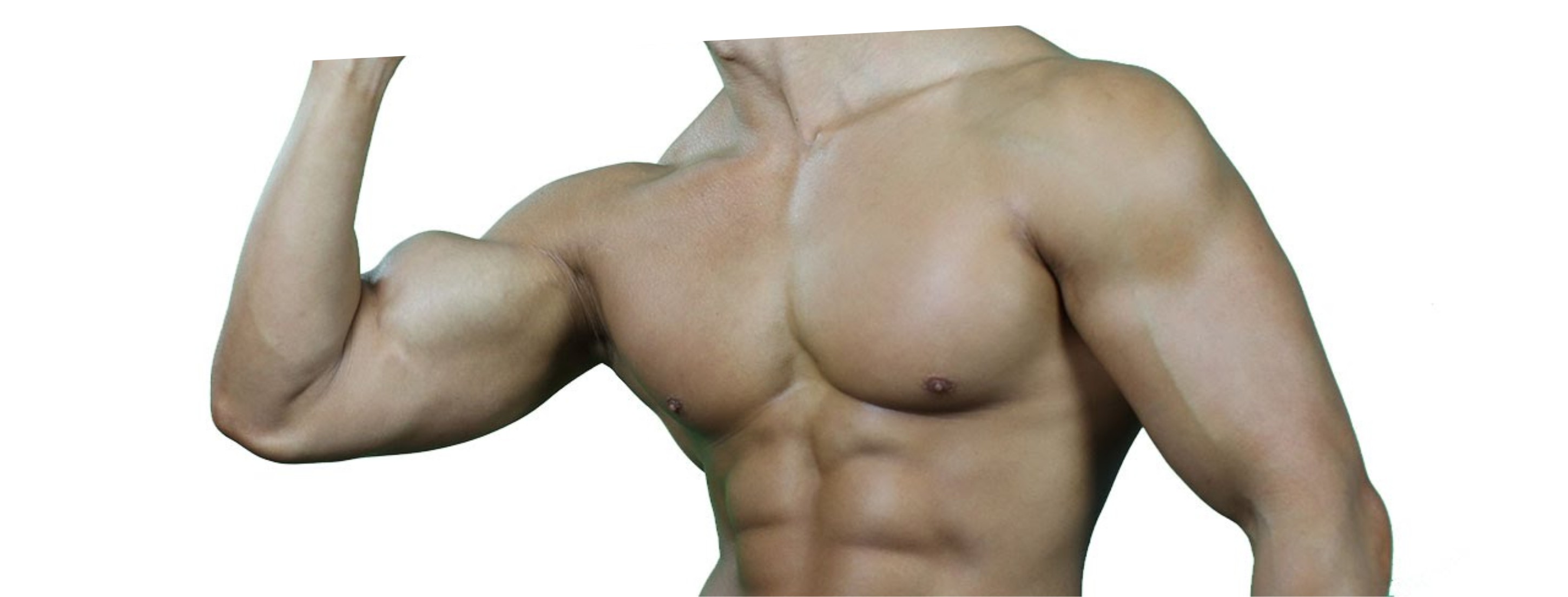
Resistance training is any activity that makes the muscles contract against an outside obstruction with the desire for increments in quality, tone, mass, or potentially continuance i.e endurance. Resistance exercise is what spotlights on the advancement of musculoskeletal quality. This kind of activity incorporates weight preparing or quality preparing, as an obstruction program looks for the improvement of muscle quality, continuance, and power. The outer opposition can be free weights, elastic exercise tubing, your own body weight, bricks, containers of water, or whatever other object that makes the muscles contract.

There are a few styles of resistance exercise. There are

1.         Olympic lifting (where competitors lift the weight overhead like you find in the Olympics),

2.         Power lifting (a challenge where competitors play out the squat, dead lift, and seat press), and

3.         Weight lifting (a game where competitors lift overwhelming loads commonly less than six reps).

Examples of resistance training

There are numerous ways you can reinforce your muscles, regardless of whether at home or the exercise center.

Various kinds of opposition preparing include:

1.         Free weights – great quality preparing instruments, for example, free weights, hand weights and portable weights

2.         Medicine balls or sand packs – weighted balls or sacks

3.         Weight machines – gadgets that have movable seats with handles appended either to loads or hydraulics

4.         Resistance bands – like goliath elastic groups – these give opposition when extended. They are convenient and can be adjusted to generally exercises. The groups give nonstop opposition all through a development

5.         Suspension equipment – a preparation device that utilizations gravity and the client’s body weight to finish different activities

6.         Your claim body weight – can be utilized for squats, push-ups and jaw ups. Utilizing your own body weight is helpful, particularly when voyaging or at work.

Note when you lift loads at the gym center to get more grounded or greater or increasingly conditioned, you are performing resistance work out. Periodically you will hear the expression “strength training”  related with lifting loads. In fact, it’s erroneous to allude to obstruction practice as quality preparing. Rather, quality preparing would all the more precisely be portrayed as opposition practice that constructs quality. In this article, the term opposition exercise will allude to the general sort of weight lifting that you do in the gym center to get greater, more grounded, progressively conditioned, or to expand your solid perseverance.

Resistance training works by causing microscopic damage or tears to the muscle cells, which thus are immediately fixed by the body to enable the muscles to recover and become more grounded. With muscles, testosterone, insulin-like development factor, development hormone, protein, and different supplements hurry to the muscle after an opposition practice session to help fix the muscles to make them more grounded. Significantly, your muscles mend and develop when you aren’t working out, as that is the reason it’s important to leave time between exercises for recuperation.

Benefits of Resistance Exercise

1.         It forms muscle quality and tone. People shed 5 pounds of muscle each decade after age 30.

2.         The number of muscle filaments decays with age. From age 30 to age 70 we can lose over 25% of the sort 2 muscle strands in our bodies (type 2 filaments are our quality strands). Obstruction exercise can back off or even turn around the maturing procedure by structure bulk and quality.

3.         It’s been appeared to manufacture bone. Osteoporosis, a state of quickened bone mineral misfortune which prompts breaks, can be a devastating infection, especially in ladies (despite the fact that men get it, as well), and research on obstruction exercise recommends that it can fabricate bone even in the old.

4.         There is some proof that obstruction exercise helps lower reasonably hypertension.

5.         More quality can prompt less falls in the old.

7.         Resistance exercise can raise metabolic rate, a significant factor in keeping up body weight.

8.         It’s never past the point where it is possible to begin. In one investigation of older people (mean age 87) who lifted loads three times each week for 10 weeks, quality expanded an astounding 113%! The improvement in quality empowered the older members to likewise walk quicker (12% quicker than before the investigation), climb 28% more stairs, and it even made the muscles in their thighs increment by over 2.5%.

Fundamental standards of resistance training

Resistance preparing comprises of different segments. Essential standards include:

1.         Program: your general work out schedule is made out of different exercise types, for example, high-impact preparing, adaptability preparing, quality preparing and equalization works out

2.         Weight : various loads or different sorts of opposition, for instance a 3 kg hand weight or fixed weight, body weight or elastic band will be utilized for various activities amid your quality instructional course

3.         Exercise : a specific development, for instance a calf-raise, is intended to reinforce a specific muscle or gathering of muscles

4.         Repetitions or reps :  alludes to the occasions you constantly rehash each activity in a set

5.         Set :  is a gathering of reiterations performed without resting, for instance, two arrangements of squats by 15 reps would mean you complete 15 squats at that point rest muscles before doing another 15 squats

6.         Rest:  you have to rest between sets. Rest periods change contingent upon the force of activity being embraced

7.         Variety : exchanging around your exercise normal, for example, routinely presenting new activities, challenges your muscles and powers them to adjust and reinforce

8.         Progressive over-burden standard : to keep on picking up advantages, quality preparing exercises should be done to the point where it’s difficult for you to do another reiteration. The point is to utilize a proper weight or safe power that will challenge you, while keeping up great system. Additionally, standard changes in accordance with the preparation factors, for example, recurrence, length, practices for each muscle gathering, number of activities for each muscle gathering, sets and redundancies, help to ensure you advance and improve

9.         Recovery : muscle needs time to fix and adjust after an exercise. A decent principle guideline is to rest the muscle bunch for as long as 48 hours before working a similar muscle bunch once more.

DID YOU KNOW THAT SYPHILIS IS A COMMUNICABLE INFECTION THAT EXECUTE FOLLOWING QUITE A LONG WHILE AND ONE OF THE REASONS FOR NON-COMMUNICABLE AILMENT?


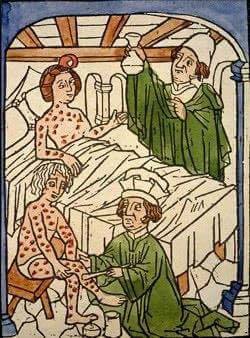
In 1495, when Syphilis first surfaced, the English called it the ‘French disease’, the French called it the ‘Spanish disease’, Germans called it the French evil, Russians called it Polish disease, Poles called it Turkish disease, Turks called it ‘Christian disease’ and the Japanese called it ‘Chinese pox’ .

Overview

Syphilis is a sexually transmitted bacterial infection. It is brought about by the bacterium Treponema pallidum (T. pallidum) that is transmitted by direct contact with a syphilitic sore on the skin, and in mucous layers. After the underlying contamination, the syphilis microorganisms can lie lethargic in your body for quite a long time before getting to be dynamic once more. Early syphilis can be relieved, some of the time with a solitary infusion of penicillin. Without treatment, syphilis can seriously harm your heart, cerebrum or different organs, and can be perilous, or be passed from mother to an unborn child.

SYMPTOMS

Syphilis is sorted by three phases with differed side effects related with each stage. Be that as it may, now and again, there can be no side effects for quite a while. Infectious stages incorporate essential, auxiliary, and, every so often, the early dormant stage. Tertiary syphilis isn’t infectious, however it has the most risky indications.

Primary symptoms

The indications of essential syphilis are one or numerous painless, firm, and round syphilitic wounds called chancres. These show up around 10 days to 3 weeks after exposure usually on the penis or vagina, in the mouth or around the base. This generally mends inside two to about a month and a half. Organs close to the sore (in the neck, crotch or armpit) may get greater. On the off chance that the disease isn’t dealt with, it will move to the second stage.

Secondary symptoms

Secondary syphilis manifestations include:

1.         A non-bothersome rash that begins the storage compartment and spreads to the whole body, including the palms of the hands and bottoms of the feet. It might be unpleasant, red, or rosy dark colored in shading

2.         Oral, butt-centric, and genital mole like wounds

3.         Muscle hurts

4,         Fever

5.         Sore throat

6.         Swollen lymph hubs

7.         Patchy male pattern baldness

8.         Headaches

9.         Weight misfortune

10.       Fatigue

These side effects can resolve half a month after they shows up, or they can restore a few times over a more drawn out period. Untreated, auxiliary syphilis can advance to the dormant and late stages.

Note that the dormant stage can most recent quite a while. Amid this time the body will harbor the illness without symptoms. Treatment is still prescribed, regardless of whether indications are absent.

Tertiary syphilis

Tertiary syphilis can happen 10 to 30 years after beginning of the contamination, ordinarily after a time of inactivity, where there are no side effects. In the late stages, the ailment may harm your mind, nerves, eyes, heart, veins, liver, bones and joints. These issues may happen numerous years after the first, untreated disease. Organ harm implies that tertiary syphilis can regularly be lethal.

Neurosyphilis

Neurosyphilis is where the microscopic organisms has spread to the sensory system. It is regularly connected with inert and tertiary syphilis, yet it can show up whenever after the essential stage. It might be asymptomatic for quite a while, or it can show up step by step.

Symptoms include:

1.         Dementia or changed mental status

2.         Abnormal step

3.         Numbness in the limits

4.         Problems with focus

5.         Confusion

6.         Headache or seizures

7.         Vision issues or vision misfortune

8.         Weakness

Innate syphilis

Innate syphilis is extreme and habitually dangerous. Contamination can exchange from a mother to her baby through the placenta, and furthermore amid the birth procedure. Unfavorable results incorporate early fetal demise, preterm or low birth weight, neonatal passings, and contamination in newborn children.

Symptoms in infants include:

1.         Fever

2.         Saddle nose, in which the extension of the nose is absent

3.         Difficulty putting on weight

4.         A rash of the private parts, butt, and mouth

5.         Small rankles on the hands and feet that change to a copper-shaded rash and spread to the face, which can be rough or level

7.         Watery nasal liquid

More established babies and youthful kids may involvement:

1.         Bone agony

2.         Vision misfortune

3.         Hearing misfortune

4.         Joint swelling

5.         scarring of the skin around the privates, rear-end, and mouth

6.         Gray fixes around the external vagina and rear-end

7.         Saber shins, a bone issue in the lower legs

8.         Hutchinson teeth, or strange, peg-molded teeth

QUICK FACTS ON SYPHILIS

Here are some key focuses about syphilis.

 1.        Syphilis is an explicitly transmitted disease (STI) that can heighten seriously without treatment.

2.         It is spread through sexual contact with injuries, known as chancres. Imparted contact to surfaces like door handles or tables won’t spread the contamination.

3.         Early treatment with penicillin can fix it.

4.         Syphilis won’t return after treatment, however it can repeat with further presentation to the microbes. Having syphilis once does not keep an individual from contracting it once more.

5.         Women can pass syphilis to their unborn child amid pregnancy, with conceivably distorting or lethal results.

6.         The disease can lie lethargic for as long as 30 years before returning as tertiary syphilis.

COMPLICATIONS

Without treatment, syphilis can prompt harm all through your body. Syphilis additionally builds the danger of HIV contamination and, for ladies, can cause issues amid pregnancy. Treatment can help anticipate future harm yet can’t fix or turn around harm that is as of now happened.

  • Little knocks or tumors

Called gummas, these knocks can create on your skin, bones, liver or some other organ in the late phase of syphilis. Gummas for the most part vanish after treatment with anti-infection agents.

  • Neurological issues

Syphilis can cause various issues with your sensory system, including:

1.         Stroke

2.         Meningitis

3.         Hearing misfortune

4.         Visual issues

5.         Dementia

6.         Loss of torment and temperature sensations

7.         Sexual brokenness in men (feebleness)

8.         Bladder incontinence

9.         Sudden, lightning-like torments

  • Cardiovascular issues

These may incorporate swelling (aneurysm) and irritation of the aorta your body’s real supply route and of other veins. Syphilis may likewise harm heart valves.

  • HIV disease

Grown-ups with explicitly transmitted syphilis or other genital ulcers have an expected two-to fivefold expanded danger of contracting HIV. A syphilis sore can drain effectively, giving a simple method to HIV to enter your circulation system amid sexual movement.

  • Pregnancy and labor entanglements

In case you’re pregnant, you may pass syphilis to your unborn child. Inborn syphilis enormously builds the danger of premature delivery, stillbirth or your infant’s demise inside a couple of days after birth.

TESTS AND DIAGNOSIS

A specialist will complete a physical examination and get some information about a patient’s sexual history before conveying clinical tests to affirm syphilis.

Tests include:

1.         Blood tests: These can distinguish a flow or past contamination, as antibodies to the illness will be available for a long time.

2.         Bodily liquid: Fluid from a chancre amid the essential or optional stages can be assessed for the ailment.

3.         Cerebrospinal liquid: This might be gathered through a spinal tap and inspected to test for any effect on the sensory system.

In the event that there is a conclusion of syphilis, any sexual accomplices must be advised of and tried for the infection.

TREATMENT

Syphilis can be dealt with utilizing penicillin. The measurements will rely upon the phase of the malady and it can be dealt with effectively in the beginning periods. Early treatment with penicillin is significant, as long haul presentation to the infection can prompt perilous results.

Amid the essential, optional, or late stages, patients will ordinarily get an intramuscular infusion of Benzathine penicillin G. The treatment technique will rely upon the indications and when the individual was uncovered.

Tertiary syphilis will require various infusions at week after week interims. Neurosyphilis requires intravenous penicillin at regular intervals for about fourteen days to expel the bacteremia from the focal sensory system (CNS).Curing the contamination will avoid further harm to the body, and safe sexual practices can continue, however it can’t fix any harm that has just happened.

Those with a penicillin sensitivity can some of the time utilize an elective prescription in the beginning times. Amid pregnancy and in the tertiary stages, anybody with a sensitivity will be desensitized to penicillin to take into consideration treatment.

Following conveyance, infants who were presented to syphilis in the belly ought to experience anti-microbial treatment.

Chills, fever, sickness, throbbing torment, and a cerebral pain may happen on the principal day of treatment. This is alluded to as a Jarisch-Herxheimer response. It doesn’t demonstrate that the treatment ought to be ceased.

Treating syphilis amid pregnancy

Pregnant ladies with syphilis can be securely treated with anti-toxins. The treatment you need relies upon to what extent you’ve had syphilis and how far along in your pregnancy you are. Pregnant ladies who’ve had syphilis for under 2 years are normally treated with an infusion of penicillin into the hindquarters (whenever treated amid the first or second trimester) or 2 infusions given seven days separated (whenever treated amid the third trimester). Pregnant ladies who’ve had syphilis for over 2 years are typically treated with 3 penicillin infusions into the rear end given at week by week interims. A short course of anti-infection tablets might be required on the off chance that you can’t have penicillin.